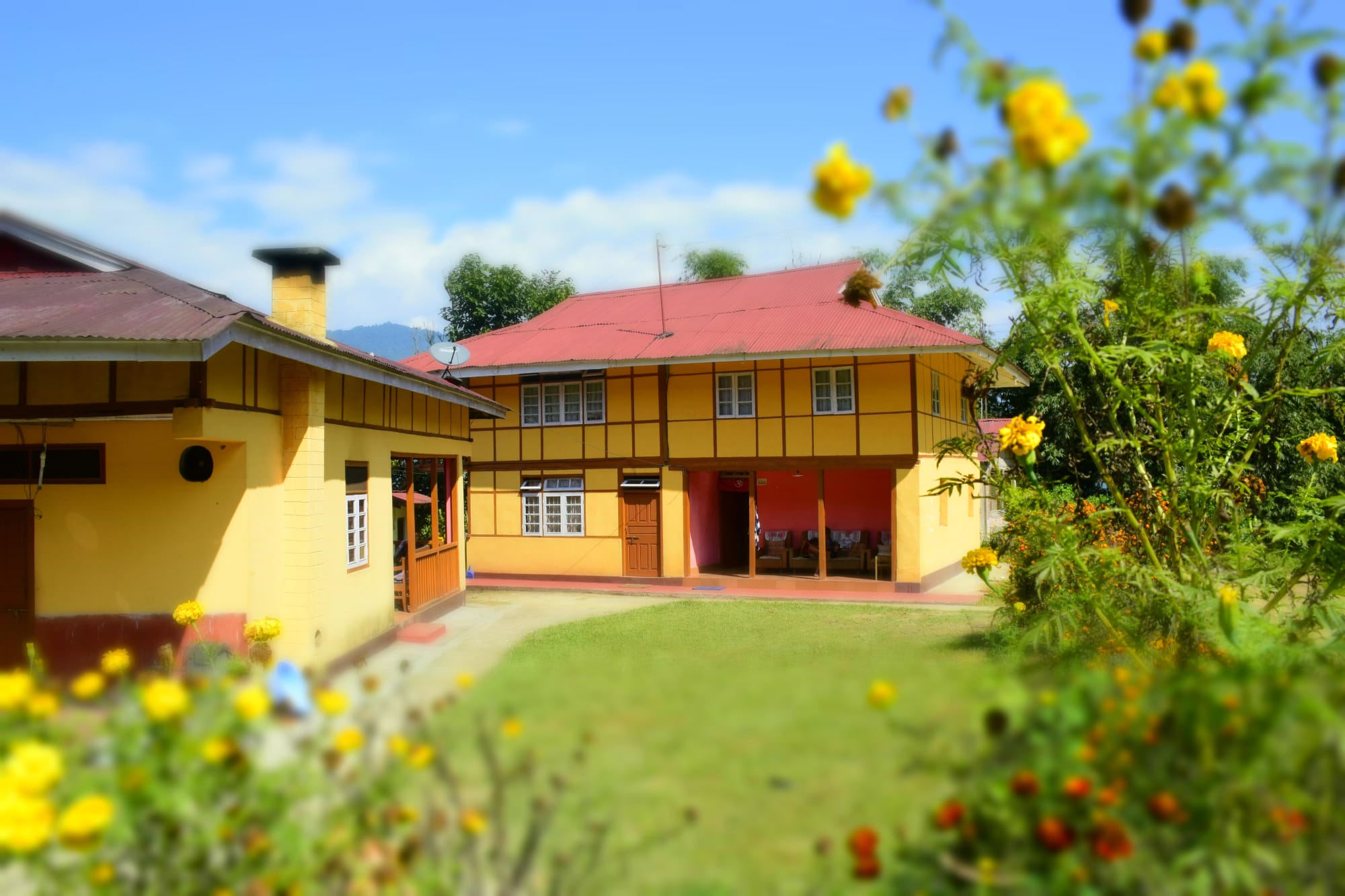
Daarapari was welcoming people long before it became a place to stay.
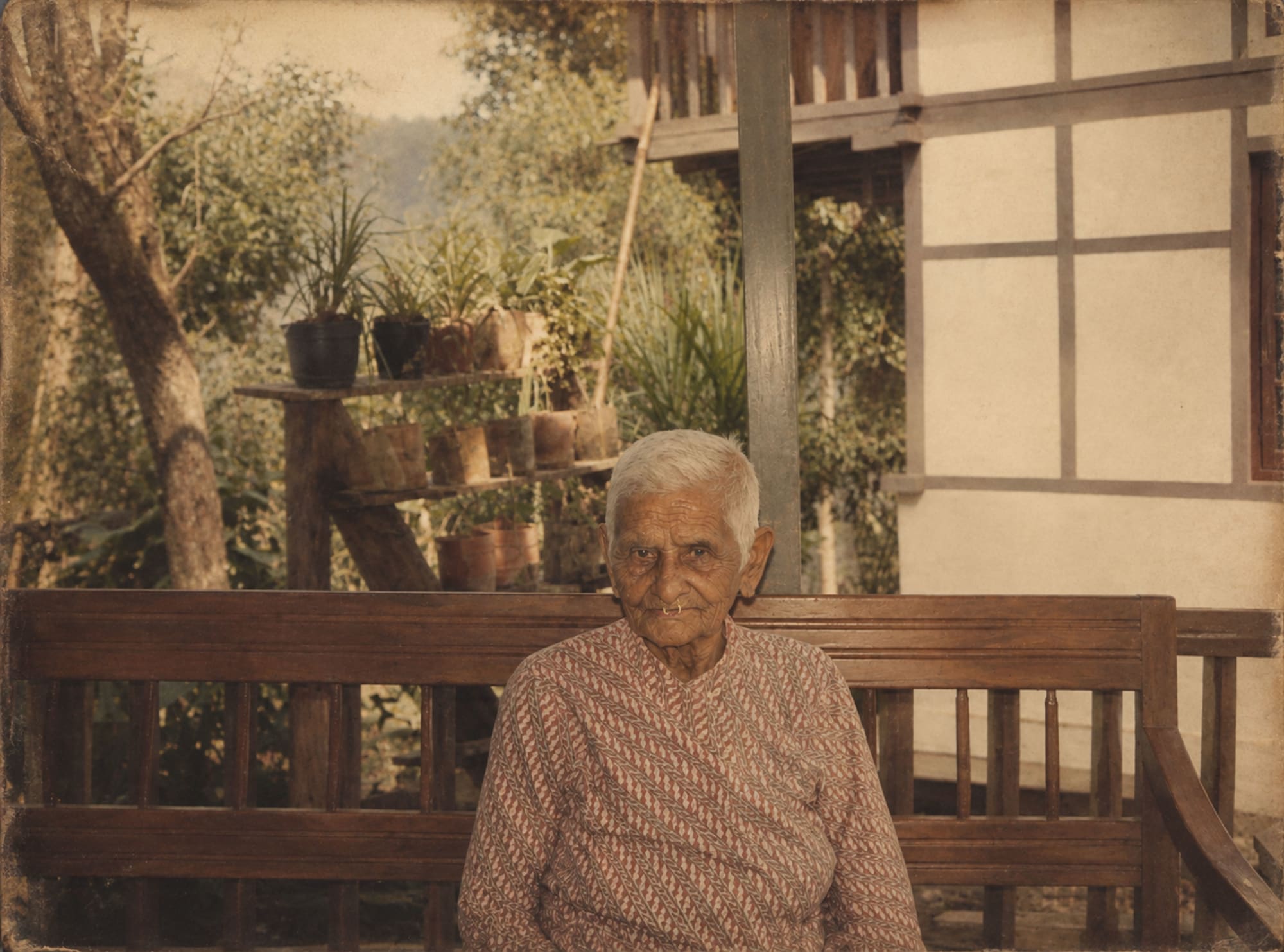
The house was built by my great-grandmother, after our family moved to this home around 80 years ago.
She was someone who always had people around her. Neighbours would drop by, relatives would stay, someone would always be sitting in the kitchen, eating something she had made.
If someone came to the house, they were fed. If someone needed a place to stay, there was always room.
So, in a way, the house was already a place of gathering long before we ever started calling it a homestay.
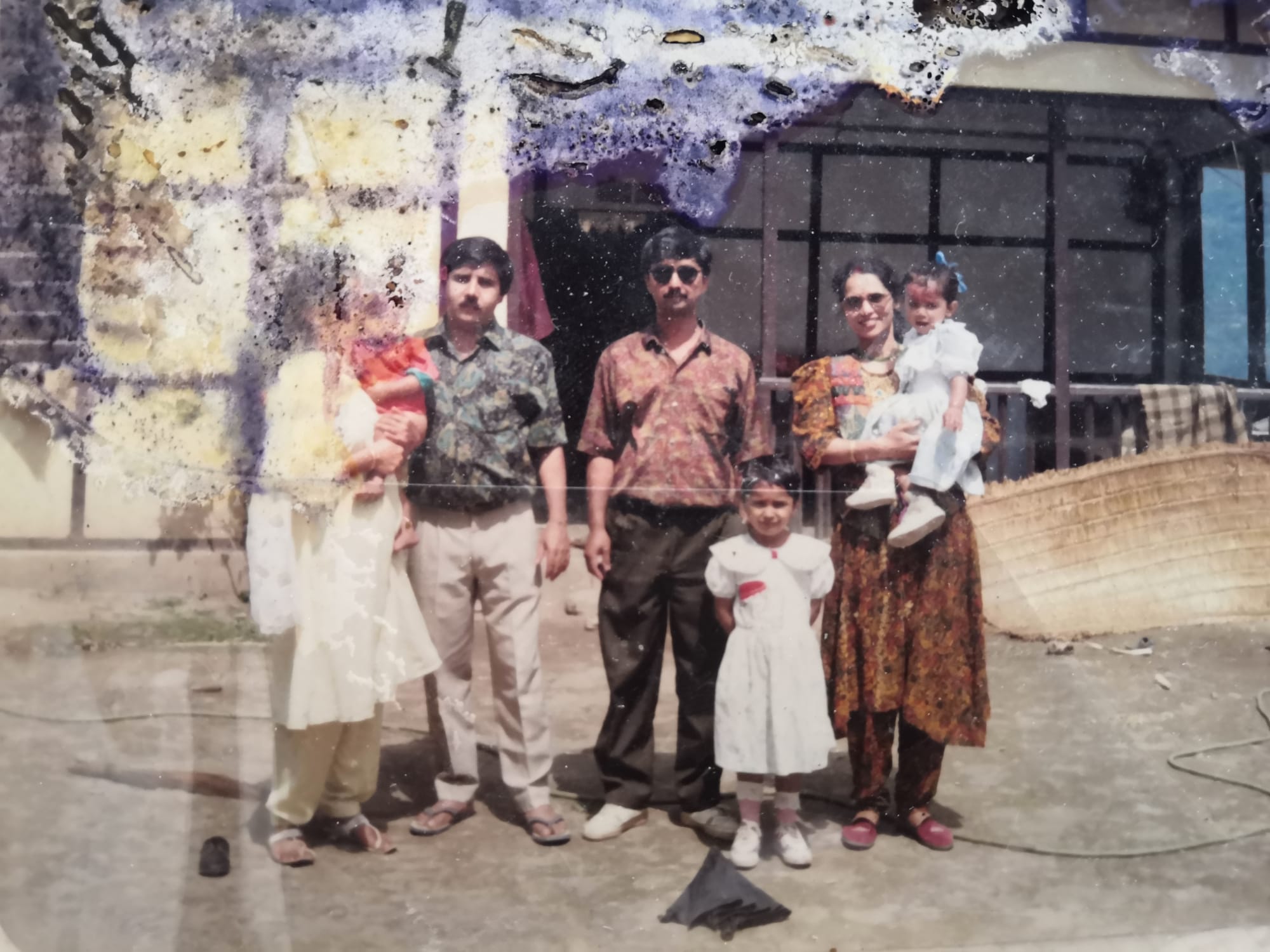
Daarapari means “the other side of the hill.”
That’s how people in the village have always known our home. It sits on the other side of the hill, a little away from the main village, and over time, the name simply stuck.
It was never a name we came up with for a business. It was already the name of our home.
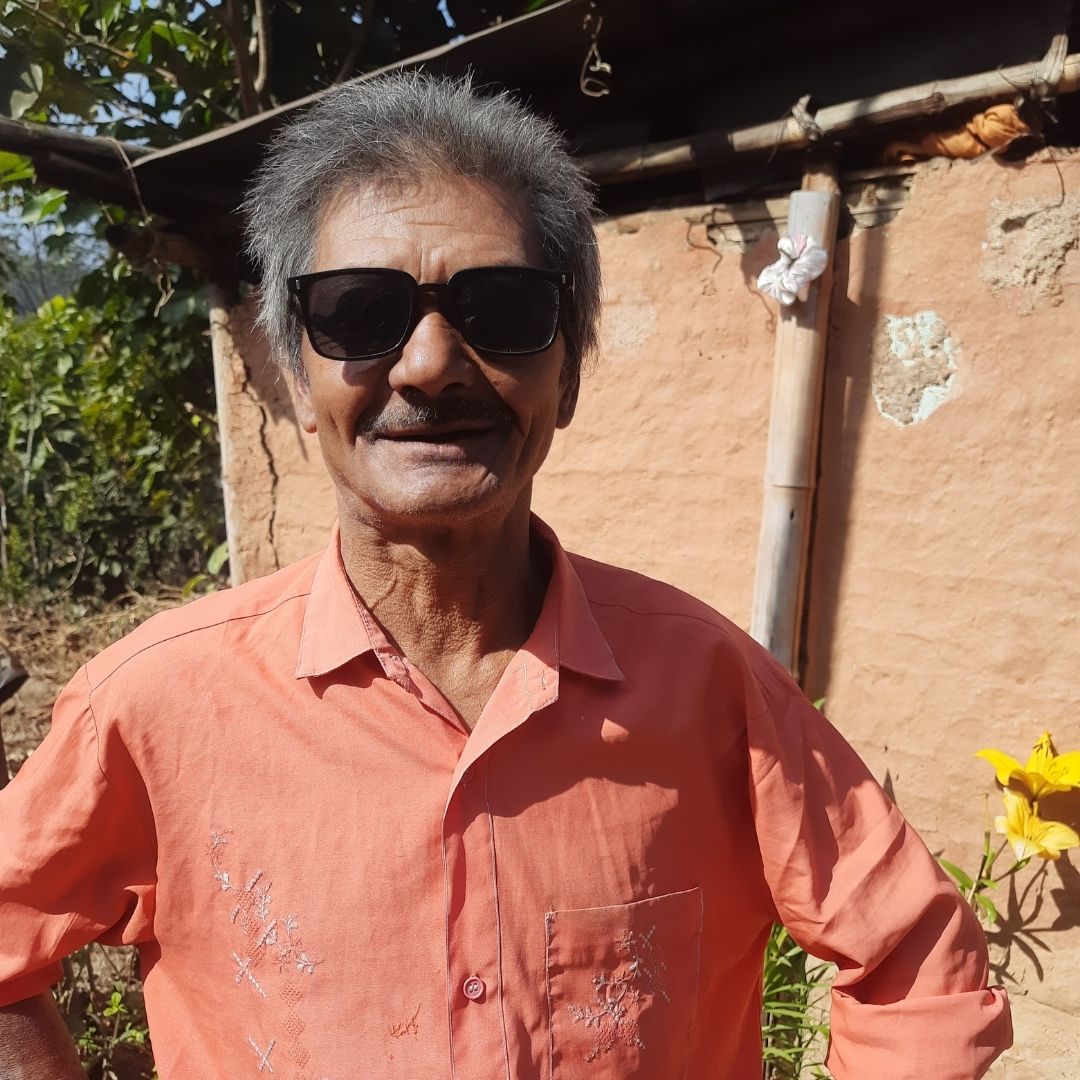
If you want to know Daarapari, you should probably know B.B. Daju.
He has been with our family since my great-grandmother’s time. He was there when the house was built, before my father was even married, and has watched our family grow through the years.
He has been cooking for our family for decades and still cooks at Daarapari today. Food has always been a big part of our home, and he is a huge part of that. He cooks instinctively, without recipes or measurements, and makes the world's best pickles, available through Nanglo .
He is also a great storyteller and a walking archive of movies, songs, places, history, customs, traditions, and people. He looks after our cows and goats, helps around the house, and has been part of Daarapari for as long as anyone can remember.
Without B.B. Daju, Daarapari simply wouldn't be.
Growing up around this house, I never imagined that one day I would be inviting strangers to stay here.
But over time, I started thinking about what it would mean to share this place with people who wanted something beyond a typical holiday.
People who wanted to slow down, spend time in a village, work, make things, write, walk through the fields or simply live here for a while.
So we started welcoming people into our home.
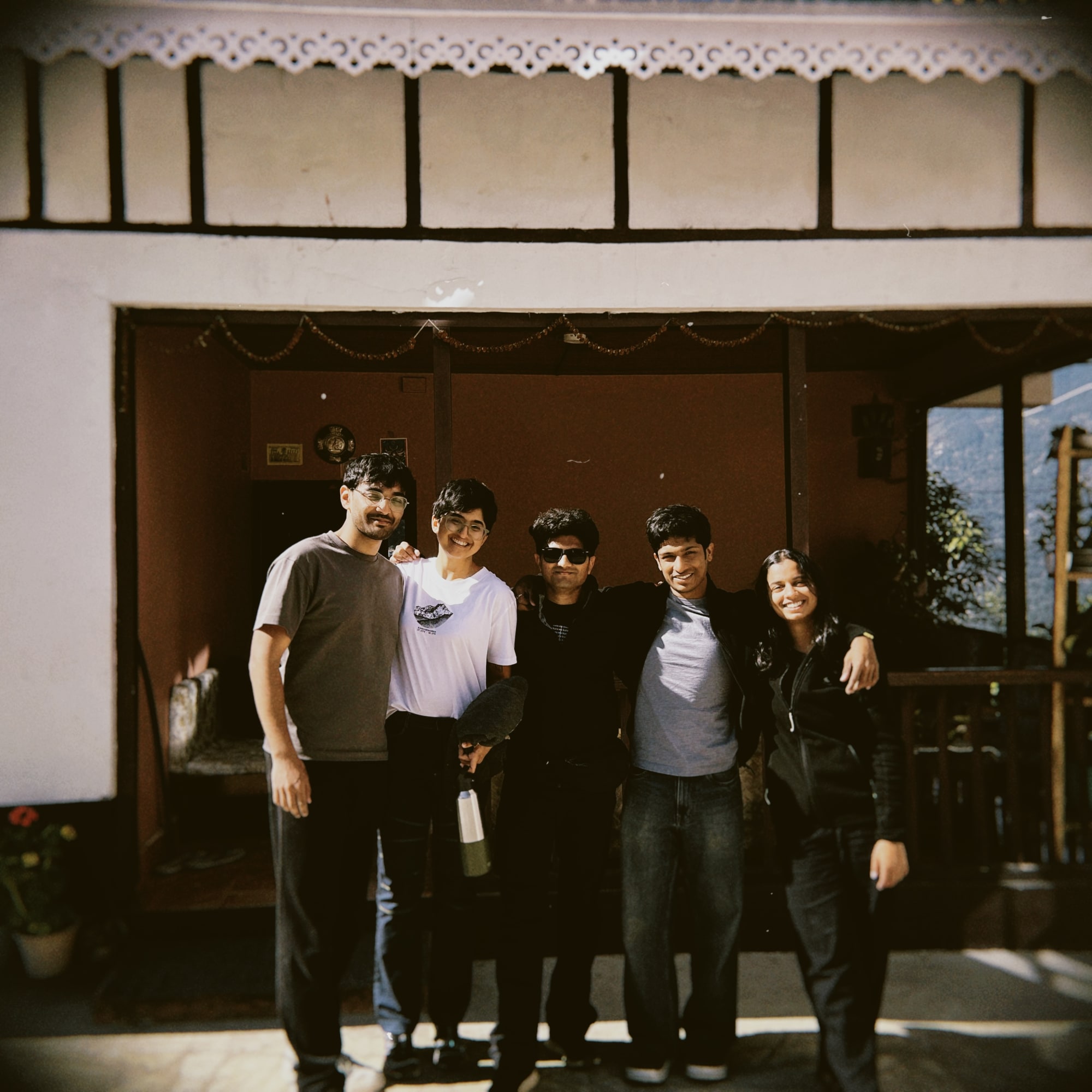
Daarapari could not exist without the people around it.
The house, the farm, the food, the walks, the fields, the little things that make a stay here what it is, all of it depends on the people of our village.
Neighbours help. People work in the fields. Someone comes over to help fix something. Someone cooks. Someone guides a walk. Someone has a story to tell.
It is not just a house that we decided to open to guests. It is a home that has always had its doors open, and a village that has always been part of it.
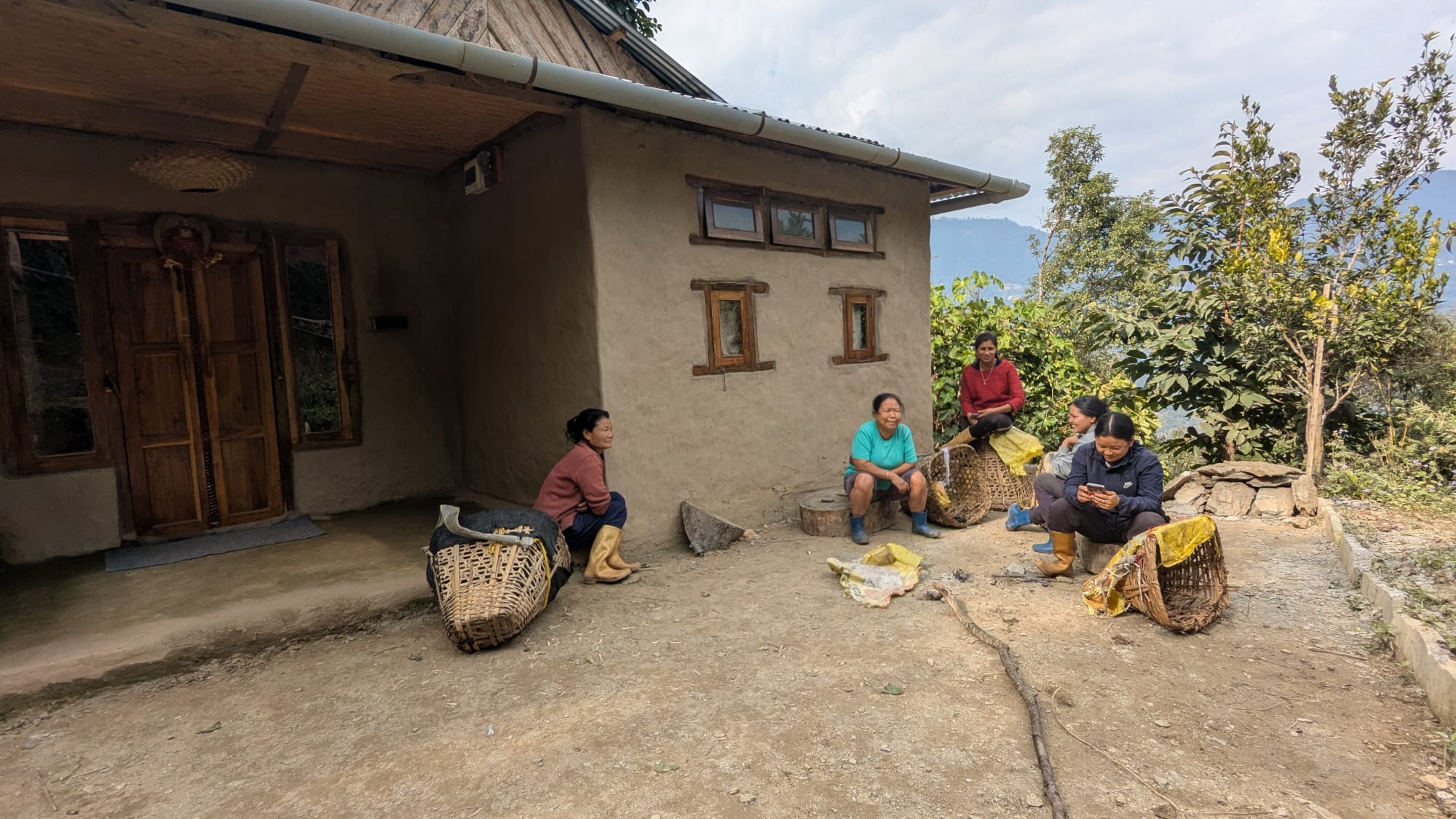
It is a home that has always had its doors open.
We’re just continuing that story.